Please note that on our website, we use cookies. They are necessary for the functioning of our website and optimizing its performance. By clicking "Allow Cookies," you agree to our cookie policy. Learn More

25 - 65% Off on Business Class Flights!

65%

Exploring Taxiways: The Backbone of Airport Operations

October 1, 2025 3 min Read
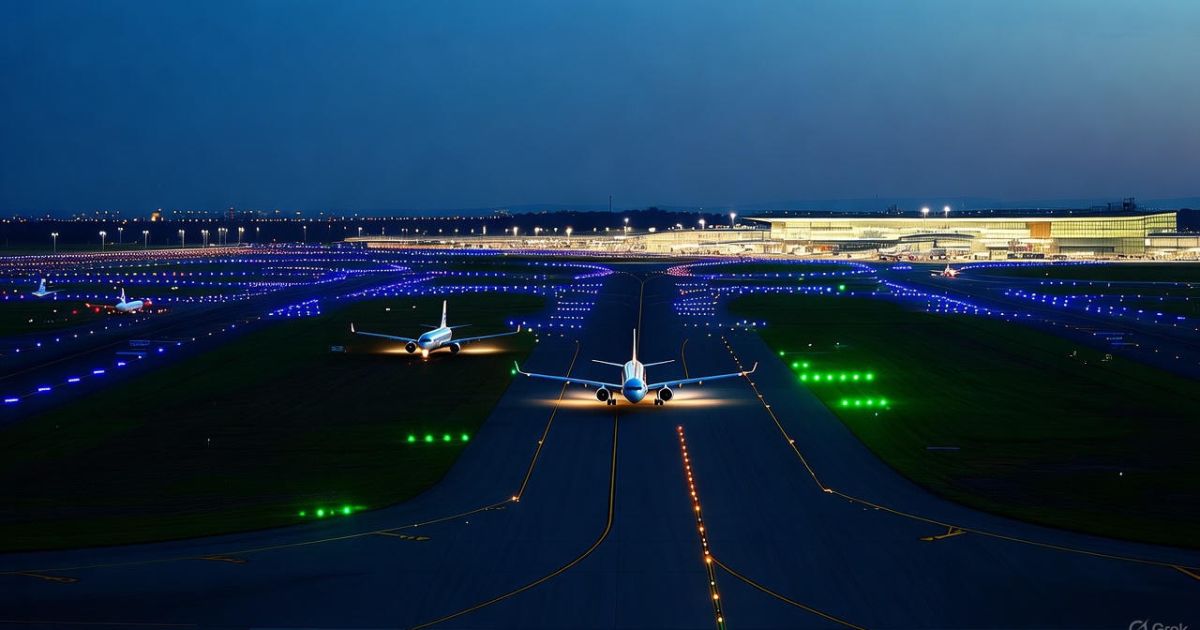
A wide airport taxiway with yellow centerlines and blue edge markings, flanked by green grass, leading toward a modern terminal building with several parked airplanes in the background under a cloudy sky.
Airports, Travel Tips, Travel Tricks

Introduction

Taxiways play a crucial role in airports around the world. They are the paths that guide aircraft from runways to terminals and back.

Without them, ground movements would be chaotic and unsafe. Understanding taxiways helps appreciate airport efficiency.

Aerial photo, airport runway taxiway airport company Mönchengladbach, Mönchengladbach, Niederrhein, North Rhine-Westphalia, Germany, DEU, Europe, airp Stock Photo - Alamy

alamy.com

Aerial photo, airport runway taxiway airport company Mönchengladbach, Mönchengladbach, Niederrhein, North Rhine-Westphalia, Germany, DEU, Europe, airp Stock Photo - Alamy

What is a Taxiway?

A taxiway is a designated route on an airport's surface. It allows planes to move between runways, aprons, and hangars.

These paths are built to withstand heavy aircraft weights. They are marked clearly to prevent confusion.

The Importance of Taxiways

Taxiways ensure smooth ground traffic at busy airports. They help reduce delays by keeping runways clear.

Enhancing Safety

Proper taxiways minimize the risk of ground collisions. They provide structured paths for pilots to follow.

Improving Efficiency

By directing aircraft flow, taxiways speed up operations. This leads to quicker turnarounds for flights.


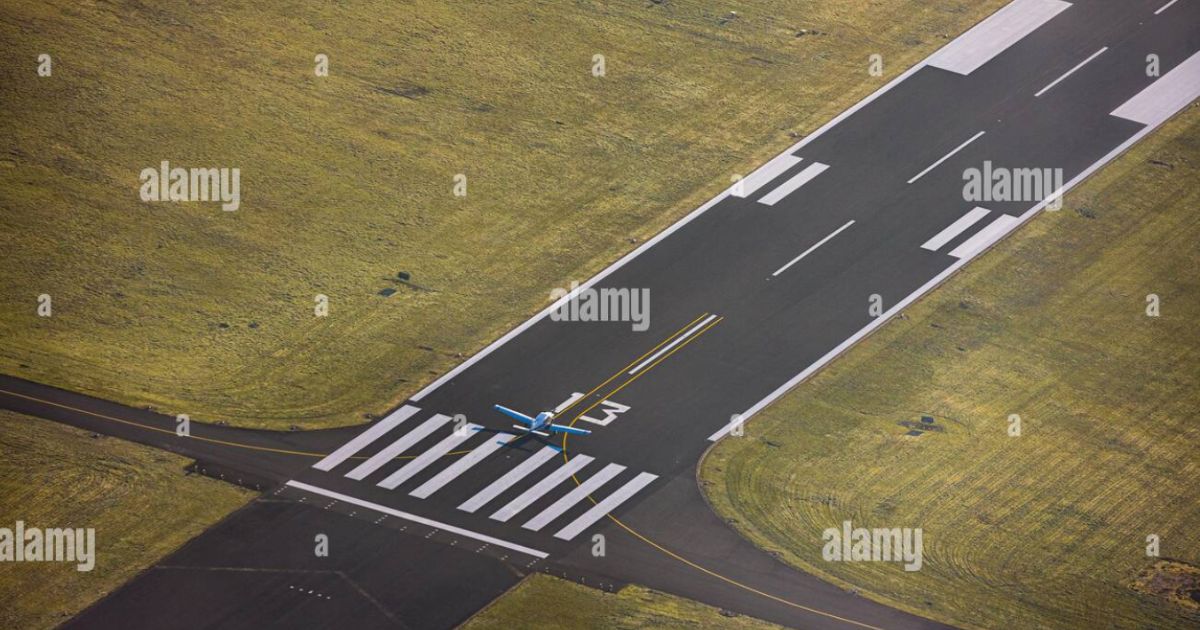
Aerial view of runway and taxiway intersection at Newark Liberty International Airport, Newark, New Jersey, U.S.A

alamy.com

Aerial view of runway and taxiway intersection at Newark Liberty International Airport, Newark, New Jersey, U.S.A. Stock Photo - Alamy

Design and Construction

Taxiway design follows international standards like those from ICAO. This ensures compatibility for all aircraft types.

Materials Used

Most taxiways are made of asphalt or concrete. These materials offer durability and low maintenance.

Dimensions and Standards

Widths range from 15 to 75 meters based on the plane's size. Curves are designed for safe turning speeds.

Markings, Signs, and Lighting

Markings guide pilots during taxiing. They include lines, arrows, and location indicators.

Surface Markings

Yellow centerlines show the path to follow. Holding position markings prevents runway incursions.

Signage

Signs provide directions and warnings. They are mandatory at intersections for clarity.

Lighting Systems

Blue edge lights outline taxiways at night. Green centerline lights aid in low visibility conditions.

Challenges and Innovations

Busy airports face taxiway congestion issues. Solutions include better traffic management systems.

Innovations like LED lighting improve visibility. Future designs may incorporate smart sensors for safety.

Conclusion

Taxiways are essential for safe and efficient airport operations. They connect the dots in aviation logistics.

As air travel grows, taxiways will evolve further. Their role remains vital in modern aviation.

931
Best time to buy Business Class Airline tickets

Previous Blog

Best time to book business class flights: save $2,000-4,000 per ticket

Next Blog

First Class to Paris: Which Airline Offers the Most Luxurious Journey?
First class to Paris

Related Posts

Flight Quote Form

Name required

Phone number required

Email required

By providing my contact details and clicking on "REQUEST QUOTE" I agree to be contacted for travel information via phone, text messages and email. No purchase necessary. We respect your privacy